Railway charges me more than expected: how to find the service that increases your bill
Published on 2026-11-14 by frfrand
Learn to analyze Railway spending by service, CPU, RAM, traffic, and volumes, with criteria to decide when to switch to fixed-cost infrastructure.
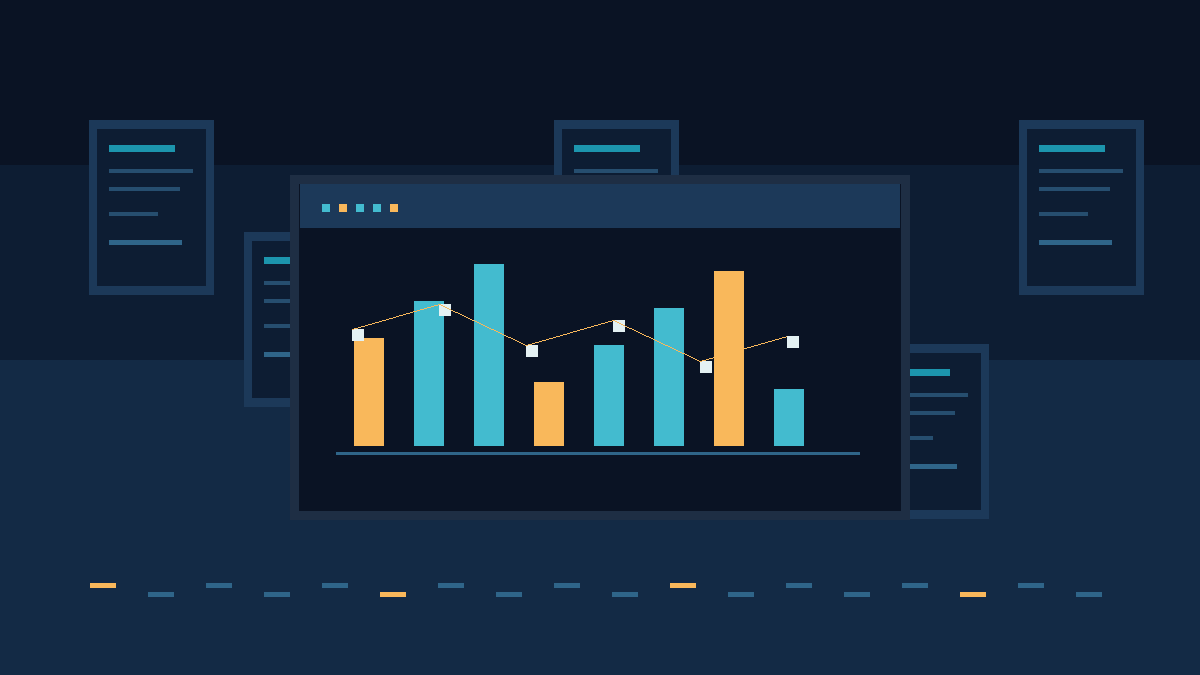
If your Railway bill went up without you launching a new function, don't start by migrating. First identify which resource, service, and environment is causing the increase. Railway bills consumption by the minute; a nearly inactive service can still have a memory cost, while unexpected traffic can increase transfer.
1. Locate the actual cost, not just the card amount
In Workspace → Usage, compare the current cycle with the previous one. Note the current amount, closing estimate, and breakdown by project. In each project, investigate the responsible service. The CLI also allows using railway usage and railway usage projects, depending on your installed version. Review separately the subscription, credits, and tax concepts on the invoice.
| Concept | What to review | Common suspicion |
|---|---|---|
| CPU | Spikes and sustained consumption | Slow queries, loops, processing |
| RAM | Baseline level and growth | Resident workers, memory leaks |
| Volumes | Persistent GB and growth | Logs, files, unchecked data |
| Outbound traffic | Traffic and destinations | Downloads, files, external calls |
| Environments | Production, staging, and previews | Active replicas per pull request |
2. Measure by service and by moment
In each service open Metrics and compare CPU, memory, disk, and network for at least one representative week. Mark deployments, campaigns, and traffic changes. Railway shows infrastructure metrics, not necessarily your application's p95 latency or request count: for those signals instrument your API and add structured logs.
Elevated but constant RAM may correspond to legitimate processes. An ascending curve after each request deserves a leak test. CPU spikes that coincide with a cron are different from those that appear on every request.
3. Four expenses that often go unnoticed
Permanent workers. A queue, bot, or event consumer can remain awake even when it receives no work. Previews. A PR-replicated environment can duplicate services and databases. Database. Storage, memory, and connections can grow independently of frontend visits. Egress. Check whether external applications connect to services or databases via public addresses when private routes are available.
Avoid the "restart every night" solution without understanding the effects: it can lose jobs and add latency. Reduce unused replicas, set limits and spending alerts; a hard limit can stop critical services.
4. When does a fixed-price VPS make sense?
Record API, PostgreSQL, Redis, storage, and worker costs for 7–14 days. Calculate the total monthly cost, not just the visible Railway fee. Compare that total with a VPS including maintenance, verified backups, observability, security, recovery, and uptime.
| Case | Usually reasonable alternative |
|---|---|
| Prototype with very frequent deployments | Railway simplifies operations |
| API and workers active all month | Compare a fixed-capacity VPS |
| Highly variable traffic | Evaluate elasticity and consumption limits |
| Team without operational experience | Assess administration cost |
The difference is not that a VPS has infinite resources: it also has limits and requires a capacity strategy.
5. Checklist before deciding
1. Export cost per service and compare two cycles. 2. Identify permanent processes and underutilized resources. 3. Verify previews, volumes, network, and databases. 4. Model migration cost, downtime, maintenance, and backups.
If you discover that the main cost is a predictable 24/7 load, consult ArduMaker vs Railway and the guide to migrate a Railway application to a VPS. To review capacity and management, explore ArduMaker services.
Frequently Asked Questions
### Does Railway charge even if no one visits my website? It depends on how the service is configured and actual resource usage; remaining active does not mean zero cost.
Does the monthly plan cover the entire infrastructure?
Do not assume so: review included credits, additional consumption, and other charges on your invoice.
Does migrating guarantee paying less?
No. It will only be convenient if savings exceed operations, support, and risks.
Technical sources: Railway Project Usage, Understanding Your Bill and Metrics.